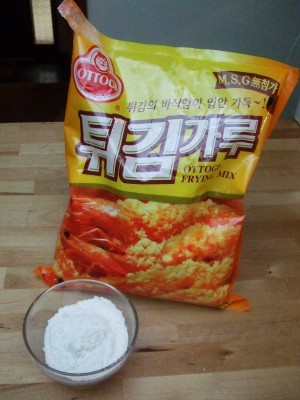
찹쌀 가루, ChapSsal GaRu
Posted by Aeri Lee on September 12, 2008


In Korea, glutinous rice is called chapssal (찹쌀), and its characteristic stickiness is called chalgi (Hangul: 찰기). Cooked rice made of glutinous rice is called chalbap (찰밥) and rice cakes (떡=ddeok) are called chalddeok or chapssalddeok (찰떡, 찹쌀떡). Chalbap is used as stuffing in samgyetang.
Read more from Wikipedia…
Read more…
단무지, DanMuJi
Posted by Aeri Lee on September 12, 2008

Company: Pulmuone/ Product Name: Gardenia Seeds Half-cut Pickled Radish
Read more…
자반 고등어, JaBan GoDeungEo
Posted by Aeri Lee on September 12, 2008


In Korea, we use mackerel for soup, stew, or a side dish. For the side-dish, fry it with only salt and oil without any bread crumbs, flour, or butter. This special salted blue mackerel is for frying. They are already cleaned and salted and ready to cook. Just fried salted blue mackerel, with fresh warm rice, is enough to make your stomach happy.
Read more…
떡국 떡, TteokGuk Tteok
Posted by Aeri Lee on September 12, 2008

Tteok (also spelled ddeock, duk, dduk, ddeog, or thuck) is a Korean sweet cake made with glutinous rice flour (also known as sweet rice or chapssal) by steaming. There are hundreds of different kinds of Tteok eaten year round. In Korea it is customary to eat TteokGuk (Tteok soup). This particular shape of rice ovaletts are used for new year soup.
Read more from Wikipedia…
Read more…
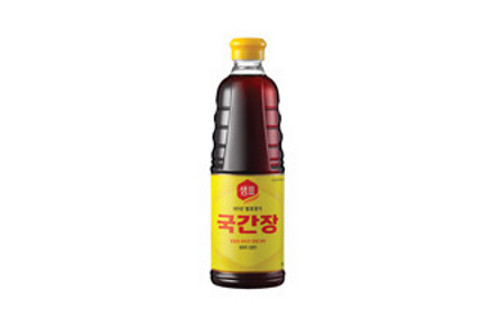
국 간장, Guk GanJang
Posted by Aeri Lee on September 12, 2008

Korean soy sauce, (called Joseon ganjang (조선간장) in Korean) is a byproduct of the production of doenjang (Korean fermented soybean paste). Joseon ganjang, thin and dark brown in color, is made entirely of soy and brine, and has a saltiness that varies according to the producer. Traditionally in Korea, we have different kinds of soy sauce, depending on the length of the fermentation time. Basically we use 2 types of soy sauce the most. One is normal soy sauce, which is fermented for more than 3 years. The other is soup soy sauce which is fermented for 1 or 2 years. The longer you keep the soy sauce the darker color, and the stronger flavor. Nowadays, many Korean people just buy soy sauce from the store instead of making it at home since it is difficult and time consuming.
Read more from Wikipedia…
Read more…